Grasping Rigging Gear: Essential Safety For Your Future DIY Projects
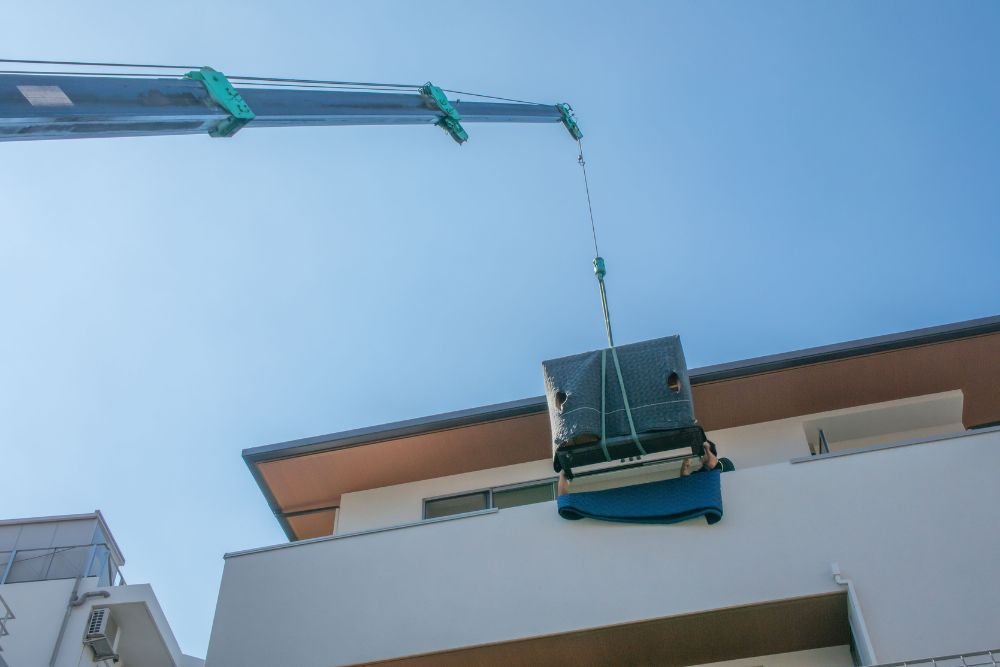
When embarking on your next DIY project, it's vital to emphasize safety. Rigging gear, often neglected, plays a crucial role in securing loads and preventing accidents. From ropes to pulleys and cleats, understanding how to effectively use this equipment can be the difference between a successful project and a potentially risky situation.
Before you start any lifting or shifting operations, take the time to learn yourself with the functionality of each rigging component. Survey your gear for wear and tear, and never neglect safety by using faulty equipment.
Essential Rigging Gear: Your Guide to Making Moving Day Easier
When it comes/you're facing/it's time for your next big move/move day/household relocation, ensure/make certain/guarantee you have the right tools/equipment/supplies. Rigging equipment/Moving gear/Lifting tools can significantly simplify/greatly assist/make a world of difference in moving heavy items/transporting bulky furniture/handling your belongings safely. From basic straps/strong ropes/durable lifting bands to pulleys and hooks/lifting systems/mechanical aids, understanding the basics/fundamentals/essentials can transform/revolutionize/streamline your moving process/experience/day. This beginner's guide/resource/overview will equip you/walk you through/help you understand the key pieces/vital components/essential items of rigging equipment and how to use them/their applications/safe handling techniques.
- Invest in/Consider purchasing/Acquire a quality set/durable collection/range of rigging straps/lifting belts/moving bands
- Learn how to/Familiarize yourself with/Master the use of pulleys and hooks/lifting systems/mechanical advantages
- Prioritize safety by/Always practice/Make sure to
- inspect equipment regularly/check for wear and tear/ensure proper functionality
With the right knowledge Real estate team Fort Lauderdale and preparation, you can/moving day can become/you'll be able to tackle your move with confidence/handle heavy items safely/make your moving experience less stressful.
Securing Your Loads: Rigging Basics for Home Renovations For your next DIY project
Renovating your dwelling can be a rewarding experience, but it's crucial to prioritize safety. One often overlooked aspect is fastening your loads properly. When you're shifting heavy materials like lumber or drywall, or simply lifting items around your work area, using the correct rigging techniques can prevent accidents and damage.
- Begin by understanding the weight you're dealing with. This will help determine the appropriate cord and blocks.
- Examine your rigging for any wear before each use. A single frayed rope can lead to a serious incident.
- Bind your loads properly using knots that are known for their strength and reliability, such as the bowline or clove hitch.
- Constantly inspect your rigging while working. Modify as needed to maintain a secure connection.
Remember that safety should always be your top priority. Don't hesitate to seek professional guidance if you're unsure about any aspect of rigging for your home renovation project. A little precaution can go a long way in preventing injury.
Lifting It Right: Safe and Effective Rigging Techniques for Every Homeowner
Whether your undertaking involves a major home construction endeavor, or simply need to transport heavy items, understanding rigging techniques can make all the difference. Effectively rigging ensures that loads are handled with accuracy, minimizing the risk of injury and damage to your belongings.
A well-executed rigging setup involves a few key components: first, choose the right lifting equipment for the job. This could include hoists, cables, shackles, and other tools. Next, verify that all equipment is in good condition and rated for the weight you're lifting.
Always examine your rigging before use, scanning for any signs of wear or damage. Once you have the right equipment, create a secure attachment point for your load using appropriate belts.
Keep in mind that safety should always be your top priority. Utilize appropriate personal protective equipment (PPE), including gloves, eye protection, and sturdy footwear.
Before you lift anything, signal clearly with anyone else involved to avoid accidents. Always lift loads in a controlled manner, avoiding sudden jerks or drops. If you're ever unsure about a particular lifting task, it's always best to seek guidance to a qualified professional.
Fundamental Tools for the Toolbox: Mastering Basic Rigging
When it comes to rigging, success depends heavily on having the right tools at your command. A well-stocked toolbox can enable all the difference between a smooth operation and a frustrating headache. Amongst the essentials, you'll need a sturdy set of rope in various diameters to suit different applications. A reliable cutter for precise cuts, and a selection of knots to secure your loads are also crucial.
- Complementing this core set, you'll want a versatile wheel system for multiplying force and reducing strain.
- Assessing your rigging hardware regularly for wear and tear is essential to well-being
By gathering these fundamental tools and mastering their applications, you'll be well on your way to confidently tackling any rigging project.
Transforming Your Workshop into a Dream DIY Space
Whether you're repairing that old tractor or planting a vibrant landscape, having the right tools on hand can make all the difference. A well-organized garage space can become your perfect hub for tackling any home task. From basic hand tools to niche power devices, a well-stocked garage allows you to take on projects big and little.
- Organize your equipment for easy access.
- Acquire in quality tools that will last.
- Consider a dedicated workstation for your projects.